First Nations, Métis Peoples and Inuit have cared for and depended on biodiversity for thousands of years. Colonization disrupted generations of Indigenous communities, and the tragic impacts of residential schools prevented the transfer of cultural knowledge to today’s young people. Canada’s policies and power imbalances deprived Indigenous Peoples of the ability to exercise their rights on traditional territories, undermining the Indigenous knowledge systems and practices that have protected nature since time immemorial.
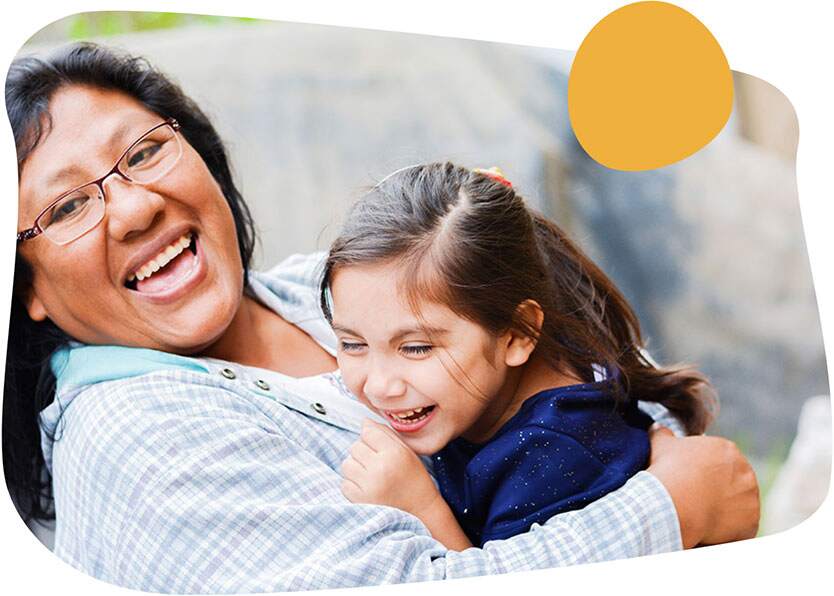


here is a need to create more space for Indigenous leadership and participation in conservation.
  • The 1987 World Commission on Environment and Development emphasized the importance of preserving traditional knowledge, while the Canadian Biodiversity Strategy reinforced the need to respect, preserve and maintain the knowledge, innovations and practices of Indigenous communities and to seek community-based local responses.
  • The 1992 Convention on Biological Diversity agreed to “respect, preserve, and maintain the knowledge, innovations, and practices of Indigenous Peoples relevant for the conservation of biological diversity and to promote their wider application with the approval of knowledge holders and to encourage equitable sharing of benefits arising out of the use of biological diversity.”
  • The 2007 United Nations Declaration on the Rights of Indigenous Peoples recognizes that respect for indigenous knowledge, cultures and traditional practices contributes to sustainable and equitable development and proper management of the environment.
Indigenous lands make up around 20 per cent of the Earth’s territory, containing 80 per cent of the world’s remaining biodiversity — a sign Indigenous Peoples are the most effective guardians of the environment (International Institute for Sustainable Development).Council values, and is motivated by the work done by Indigenous communities and organizations to protect and restore biodiversity, share knowledge, and inspire actions.Council will strive to promote, support, and generate opportunities to increase Indigenous leadership and participation in conservation in Ontario and will:
  • work to create an ethical space where knowledge systems interact with mutual respect, value, and cooperation
  • promote knowledge that supports the development of Indigenous Protected Areas (IPCAs) and other Indigenous-led projects,
  • respect the rights and assertions of Indigenous Peoples.
We understand that this is only one step in our journey towards reconciliation and a stronger relationship with Indigenous Peoples that benefits biodiversity and builds a better future.

Biodiversity is valued, conserved and restored, and people live in harmony within nature.

To take urgent action to halt and reverse biodiversity loss for the benefit of all living things, including people.


  • Empower all people to value, respect and take steps to conserve, recover and sustainably manage biodiversity.
  • Protect, restore and recover ecosystem, species and genetic diversity and the benefits that biodiversity provides for all living things.
  • Manage biodiversity sustainably in an inclusive and equitable way.
  • Mobilize human and financial resources to scale-up actions to conserve biodiversity.
  • Listen to and learn from Indigenous People and pursue reconciliation through biodiversity conservation.

ONTARIO’S
BIODIVERSITY
STRATEGY
2023–2030

Biodiversity sustains us and enriches our lives — and we need to protect it. That’s why we are delighted to share a summary of the updated Ontario’s Biodiversity Strategy.
The full strategy, with more in-depth context, background information, a glossary and references will be released soon. Check back and celebrate with us as we work together to protect what sustains us!

Let us know what you think! We’d love to hear from you.

Follow us on:

or send us an email at info@ontariobiodiversitycouncil.ca